Addiction Treatment in San Antonio for Veterans: Specialized Assistance and Care
San Antonio is a military city at its core. With Joint Base San Antonio drawing solution participants from every branch, and generations of professionals calling Bexar Area home, the community has actually learned to fulfill the realities that follow solution: trauma that does not fade with time, pain that outlives implementations, and compound use that can take hold while a person is trying to cope. When addiction treatment is tailored to experienced needs, recuperation actions quicker and holds stronger. That takes greater than good intents. It takes programs that comprehend MOS cultures, guard personal privacy as thoroughly as any kind of protection clearance, and incorporate trauma work without tearing open old wounds.
This guide goes through exactly how specialized veteran care works in San Antonio, what to search for in a program, and just how to begin whether you are experiencing the VA, TRICARE, or an area clinic. It consists of practical details that matter the very first week you seek aid, not just the day you finish from treatment.
Why veterans need a different approach
Addiction hardly ever shows up in isolation after military service. The scientific term is co‑occurring problems, however most professionals just define it as everything taking place simultaneously. Headaches, edgy nerves, a back that seizes when it rains, a bottle that empties faster than prepared, and a flash of rage that costs a work in a single afternoon. The army educates compartmentalization, which works in the area and fails in your home. That tension, between the training that kept you alive and the practices that now cause injury, plays out in therapy every day.
Trauma direct exposure rates are higher among professionals than in noncombatant peers, with an included layer of moral injury when the events break a person's core values. Terrible brain injury and chronic discomfort develop their own gravity, pulling rest, memory, and persistence out of orbit. Include in that a culture where looking for help has frequently brought stigma, and it is very easy to see why a basic outpatient program that just checks boxes will certainly not reduce it.
Clinically, this indicates alcohol use condition rests together with anxiousness and headaches. Opioids enter the image for postsurgical discomfort or injuries from training and combat. Benzodiazepines could appear after months of unrelenting hyperarousal. Energizers can creep in when exhaustion comes to be a daily wall. Each of these materials connects with injury symptoms, which is why a separated sobriety objective has a tendency to fail if injury goes unaddressed.
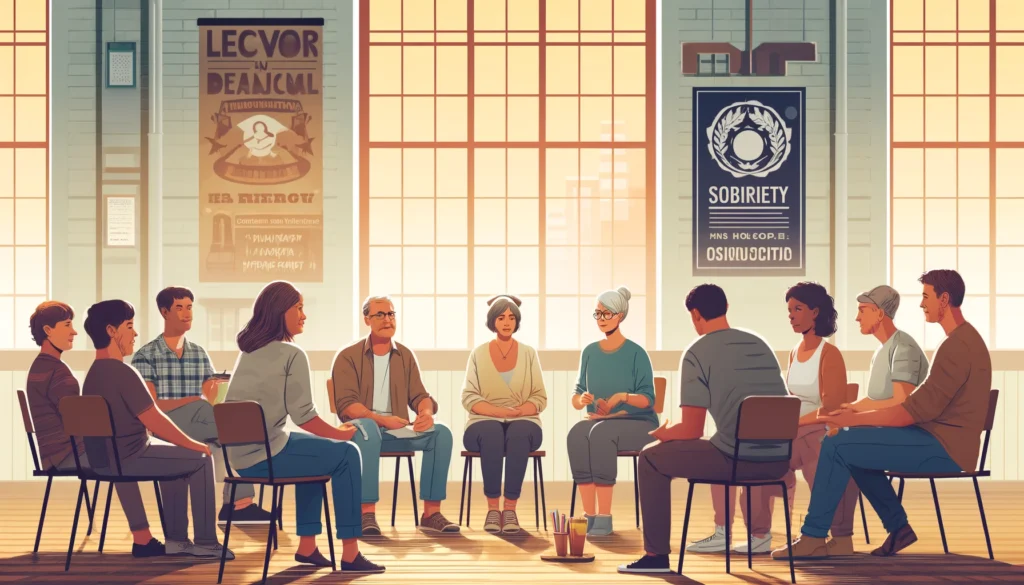
The San Antonio landscape: toughness and gaps
San Antonio has numerous advantages for experts that require addiction treatment. The South Texas Veterans Health Care System operates significant centers in the city, including Audie L. Murphy Memorial Veterans Hospital and associated outpatient centers. Those sites provide substance usage problem analysis, therapy, drug administration, and sychronisation to higher levels of care when required. The VA likewise companions with area companies via the goal Act when details solutions or capacity are limited. On the civilian side, San Antonio has respectable intensive outpatient and residential programs accustomed to dealing with TRICARE beneficiaries and seasoned referrals, plus a deep bench of injury therapists trained in evidence‑based techniques like Cognitive Handling Treatment and Prolonged Exposure.
There are voids. Detox bed availability can change, especially around holidays and the end of the month. Programs vary commonly in their convenience with co‑occurring PTSD and handling medicines for discomfort and rest. Some centers market proficient tracks that total up to a regular group and a flag on the wall. The very best results come from areas that incorporate army social competence throughout the whole clinical team, from the psychoanalyst that recognizes what a 3 a.m. Panic surge seems like after years of task phone calls, to the case supervisor that recognizes how to document for Neighborhood Care authorization right away a bed date.
What effective veteran‑centered addiction treatment looks like
The best programs hit 3 targets at the same time: stabilize compound usage, decrease trauma and stress and anxiety symptoms, and fix the daily rhythm of life. That plan is remarkably unusual. When you see it, it appears like this in practice.
Intake begins with a mindful timeline. Suppliers ask not just what and just how much, however also when signs surge across a 24‑hour clock. They map substances to moments: the very first beverage after a headache, the added oxycodone after a bad fitness center representative, the THC gummy before a shift to blunt social anxiety. They likewise evaluate exactly for TBI history, military sex-related injury, and ethical injury, which alter how therapy is sequenced.
Medical management comes early. For alcohol use problem, naltrexone typically moderates craving within days, and acamprosate assists with the hollow, edgy feeling that complies with detoxification. For opioid use disorder, buprenorphine is usually the fastest route to security, with naltrexone as an alternative after a full detox for determined individuals. Methadone continues to be the ideal choice for some, yet access goes through federally regulated opioid treatment programs. Benzodiazepine dependence requires a determined taper plan with seizure precautions and choices for rest and anxiety, often using gabapentin, hydroxyzine, or prazosin for nightmares while injury treatment ramps up.
Therapy is not common talk time. It is structured, time‑limited work with clear goals. Cognitive Behavioral Therapy targets the routines that feed material usage. Backup monitoring, a straightforward system of little, immediate benefits for unfavorable drug displays and goal conclusion, continually enhances outcomes for stimulants and polysubstance usage. Injury therapy is paced. Lots of professionals take care of skills training and substance stabilization first, then relocate right into Extended Direct exposure or Cognitive Processing Treatment when sleep has enhanced and triggers are mapped. Some will certainly make use of EMDR when avoidance loosens up yet raw concern remains. A wise team actions in between these tools based on just how the week unravels, not a stringent protocol.
Pain and rest obtain equivalent focus. Without them, sobriety seems like penalty. A strong program collaborates non‑opioid pain approaches, from targeted physical therapy to interventional discomfort references when proper. Sleep health seems minor till you try it in the real life. In practice, it includes prazosin for nightmares, doxepin or trazodone for sleep onset, and set up wind‑down regimens that in fact fit a professional's day.
Peer support is not an optional added. Listening to a former infantryman describe just how he handled his first sober football weekend brings a weight that no medical professional can match. Great programs cultivate seasoned peer professionals, not just mixed‑population teams. Family members involvement is dealt with thoughtfully to prevent re‑creating command‑and‑control dynamics in your home. Some family members take advantage of joint sessions early, others after a couple of weeks when the veteran has actually stabilized.
Levels of care that make sense in San Antonio
The best level of treatment depends upon withdrawal danger, security, and how much structure is required to damage energy. San Antonio provides the complete ladder.
Medically kept track of withdrawal management is usually a quick keep of three to seven days for alcohol, benzodiazepines, or opioids when outpatient detoxification would be unsafe. Schedule moves week by week. Programs with hospital association can handle intricate medical comorbidity, which matters for older professionals or those with cardiac issues.
Residential therapy typically runs 2 to 6 weeks in your area. The most effective veteran tracks balance team therapy with individual trauma sessions and medical visits, and they collaborate with the VA or TRICARE for discharge preparation. Intensive outpatient programs fulfill a number of days per week for a few hours, which lets a person work or participate in college while preserving a solid recuperation structure. Standard outpatient treatment and medication management remain the foundation for upkeep and relapse prevention.
San Antonio's dimension enables stepped care without shedding connection. An expert can relocate from detoxification to residential to intensive outpatient with a single group monitoring development, which lowers the handoff failures that commonly cause relapse.
Navigating VA, TRICARE, and area options
The useful concern is just how to start. Here is an easy course that fits San Antonio's systems and shortens time to treatment.
- Call your VA health care or mental health center and request a same‑week substance usage evaluation. If you are not currently registered with the VA, use online and demand a walk‑in at a local VA clinic while the enrollment processes.
- If capacity is minimal or a certain service is inaccessible, ask about a Community Care recommendation under the MISSION Act for addiction treatment in San Antonio. Clarify whether the recommendation covers detoxification, household, extensive outpatient, or medicine management.
- For active duty, Guard, Reserve, or recent retirees covered by TRICARE, contact your local specialist or a neighborhood network facility and request an immediate substance use assessment. Ask them to inspect network standing for the level of treatment you need, not just outpatient visits.
- If you have company insurance policy via a private task, call the number on the back of your card and request in‑network facilities with veteran tracks in San Antonio. Request an advantages recap for detoxification, property, and intensive outpatient prior to the initial appointment.
- If you are in crisis, dial 988 and press 1 for the Veterans Dilemma Line, or most likely to the nearby emergency department. For alcohol or benzodiazepine withdrawal warning signs like tremors, complication, or seizures, treat it as a clinical emergency.
For many veterans, the fastest route is a VA examination followed by an Area Treatment reference to a San Antonio program with an open bed. Keep in mind that the better your requirements are documented throughout that initial see, the smoother the authorization.
Medication options that work in the real world
Medications do not replace individual job, however they make that job feasible. A couple of truths assist establish expectations.
For alcohol use condition, oral naltrexone decreases the illumination of yearning in the first week. Long‑acting injectable naltrexone, provided monthly, keeps a ceiling on regression risk when inspiration dips. Acamprosate aids when sleep is fragmented and social circumstances feel raw. Disulfiram has a place for very structured environments or particular use patterns, however it is not a front runner for most.
For opioid usage disorder, buprenorphine has ended up being the criterion because it supports swiftly and can be managed in primary care after induction. Some experts fret that it changes one opioid with another. Clinically, it changes mayhem with stability. Naltrexone works well for a part after full detoxification, typically when responsibility is high and food cravings are modest. Methadone needs attendance at an opioid treatment program, which can be a barrier for those working irregular shifts, yet its structure advantages some.
Benzodiazepine dependancy should have regard. Fast tapers frequently backfire. An effective strategy may extend over 2 to 3 months, with close monitoring and insomnia methods running in parallel. Prazosin for nightmares and targeted injury treatment minimize the urge to reach for a benzo during flashback‑heavy weeks.
For stimulants, there is no FDA‑approved medication that accurately removes food craving. That is where backup administration and structured routines matter. Some programs include bupropion or topiramate for specific patterns, however assumptions must be calibrated.
Trauma treatments, timed and tailored
The timing of injury work is where veteran treatment commonly is successful or falls short. Press exposure prematurely and a patient runs. Prevent it forever and the core chauffeur of use remains untouched.
The series I have seen operate in San Antonio focuses starts with basing skills, rest stablizing, and mapping triggers. As soon as an expert is sleeping at the very least 5 to six hours most evenings and can determine peak anxiety home windows, the group introduces Prolonged Exposure or Cognitive Handling Therapy with clear session objectives. EMDR can aid when trauma memories feel stuck as opposed to stayed clear of, specifically for single‑incident occasions layered on a persistent anxiety history. Specialists bridge these sessions with functional assignments, like driving a path that has actually been stayed clear of for many years, sustained by a phone check‑in before and after the exercise.
Two clinical realities matter. First, ethical injury needs its very own language. Experts frequently take advantage of chaplain services or therapists educated to deal with guilt and pity rooted in values, not simply fear memories. Second, armed forces sex-related trauma calls for a trauma‑informed atmosphere from the front workdesk ahead. Personal privacy, option in clinician gender, and predictable organizing are not deluxes, they are safety and security measures.
Pain and physical rehabilitation inside addiction care
Chronic discomfort is among the most usual reasons professionals hesitate to look for addiction treatment. They are afraid losing the only point that dulls the ache. Programs that collaborate with physical medication, use targeted physical treatment, and speak with interventional pain when ideal preserve people and create much better results. Non‑opioid medicines like duloxetine, gabapentin, and topical representatives can be combined with pacing techniques that let a veteran rebuild activity without flare‑induced relapses.
In functional terms, I urge veterans to bring imaging records, surgical treatment dates, and a straightforward pain diary to intake. That details shortens the space in between day 1 and a plan that respects both soberness and mobility.
Community, peer assistance, and family members involvement
San Antonio's professional area is tight, and it becomes an important recuperation property when tapped well. Peer experts with release experience punctured defensiveness rapidly. Veteran‑only teams aid https://jasperrsju738.capitaljays.com/posts/what-makes-a-quality-addiction-treatment-program-in-texas stabilize symptoms that feel isolating, like breaking awake at a noise only you seemed to listen to. Outdoors formal programs, neighborhood expert solution companies provide low‑pressure social contact that reduces the lonesome hours when regression threat climbs.
Family involvement needs to be on the table, yet not at the cost of safety or autonomy. Some experts have partners who shoulder too much, others who have gone back after years of disorder. Great programs evaluate preparedness for joint sessions and show concrete abilities: just how to find very early regression indications, exactly how to establish boundaries without turning your home right into a barracks, and how to reconstruct rely on layers rather than grand gestures.
VA treatment and neighborhood programs: matching strengths
Choosing between VA services and area programs is not a zero‑sum call. Lots of experts integrate them. Right here is a concise method to think of the match.
- VA staminas: incorporated medical records, accessibility to evidence‑based treatments across disciplines, prescription coverage, and solid connection for chronic conditions alongside addiction care.
- Community program strengths: versatile organizing, faster admission during peak demand, specialized expert tracks with smaller teams, and in some cases extra family members participation options.
In San Antonio, a typical pattern is VA examination and medicine administration, with a Community Care referral for household or extensive outpatient when the VA's own teams are complete or a specific track is a better fit. After discharge, veterans typically return to VA medical care and therapy while keeping a neighborhood recovery group and peer mentor.
Paying for care without shedding momentum
Cost conversations should not come last. With VA qualification, many addiction treatment services are covered, including medicines for alcohol and opioid usage problems. TRICARE covers detox, household, partial a hospital stay, extensive outpatient, and outpatient therapy when clinically necessary, although prior authorization is common. For company strategies, advantages vary widely. Ask particularly about in‑network property and extensive outpatient, variety of protected days, and copays per solution. San Antonio programs that on a regular basis deal with veterans are made use of to coordinating these information quickly.
If out‑of‑pocket expenses are a barrier, ask programs concerning sliding ranges or state‑supported slots. Texas funds some services through state campaigns and county collaborations, though accessibility adjustments by quarter. When someone points out a waitlist, adhere to up with what it takes to hold the place and what you can do in the meantime, such as beginning medicine with a VA or community prescriber.
The first thirty day: what success looks like
Set expectations by the calendar. Week one, go for clinical security and a foreseeable routine. Withdrawal symptoms should trend down every day, desires become easy to understand rather than overwhelming, and rest starts to settle. By week two, medicines go to steady degrees, therapy has moved past biography right into targeted skill structure, and triggers are visited detail. Weeks three and 4, injury job starts if steady, or pre‑trauma abilities grow if not. Family members call, if appropriate, is structured rather than impromptu. A discharge plan is visible, not theoretical: consultations arranged, rides set up, and a plan for evenings and weekends when structure drops.
Relapse danger is greatest right after a level‑of‑care change. Smart teams schedule a check‑in within 48 to 72 hours of stepping down, and veterans should expect to get the phone if rest falls apart or cravings increase. There is no charge for requesting more assistance early.
Choosing a program: indicators of top quality and red flags
A couple of markers different strong expert programs from the rest. Ask who runs the medical side and what percentage of their caseload is veterans. Search for prescribers comfy with buprenorphine and naltrexone, not just detoxification methods. Review just how they evaluate for PTSD, TBI, and army sex-related injury, and how they series injury therapy together with addiction work. Confirm that discomfort administration is dealt with in‑house or using worked with recommendations. Ask for sample timetables and how family is included.
Red flags consist of one‑size‑fits‑all programs, resistance to medication‑assisted therapy, or a guarantee to do deep injury work in the first week prior to sleep and cravings have maintained. Be cautious with locations that can not discuss their results or that count on endorsements without defining actual scientific services.
Legal, housing, and work sustains in Bexar County
Recovery connections into functional life. San Antonio's experts treatment court can provide a pathway that links responsibility with treatment rather than easy penalty for sure offenses. On housing, the VA's HUD‑VASH program and community companions help veterans safe and secure stable real estate, which decreases relapse triggers. For work and institution, occupation rehabilitation via the VA, Texas Labor force Compensation professional services, and school expert facilities at local universities can restore framework without straining the early recuperation period.
Even a moderate strategy assists. If you have actually been off work, go for part‑time or foreseeable changes in the first month after extensive treatment. If you are returning to a high‑stress function, suit that with higher medical intensity on the calendar and a straight line to your therapist for the first harsh weeks.
If you or a person you like is in instant danger
Suicidal ideas and acute withdrawal call for prompt activity. In San Antonio or anywhere in the united state, dial 988 and press 1 for the Veterans Crisis Line, message 838255, or most likely to the nearest emergency department. Inform the staff about recent alcohol or benzodiazepine usage and any type of history of seizures. If you are a family member, remain with the person if it is safe, eliminate guns and various other lethal means from the prompt setting, and call for help. The objective is to bridge to safety and security, not to suggest the qualities of treatment in that moment.
How San Antonio aids recovery stick
Long term success builds on belonging. Professionals that stay connected, through a peer group, a recuperation conference that feels right, or a volunteer function that uses their abilities, report fewer slips and faster healing when they happen. San Antonio's mix of military tradition and private life makes that less complicated. You can invest an early morning in a trauma‑informed yoga exercise course, eat lunch with a proficient service company, and capture a Missions video game with your sponsor or peer advisor that evening. These rhythms are not fluff. They rewire a week, one choice at a time.
For all the resources, the heart of recuperation is still individual. It is the minute someone selects to call before they use, or shows up to group on a day that hurts in every joint, or informs a specialist the precise fact regarding a nightmare for the first time. Specialized addiction treatment in San Antonio exists to make those minutes more likely and to catch you when they feel out of reach. If you are weighing whether to start, consider this: the systems right here, VA and area alike, are constructed to relocate quickly when you claim yes. Ask straight for addiction treatment in San Antonio, note that you require trauma‑informed care, and anticipate a strategy that attends to both.
Addiction treatment does not remove the past, it furnishes you to lug it with less weight. In a city that comprehends service, that is a promise programs can keep. And if you need directory sites or search terms past the VA, even a straightforward question for Addiction treatment texas will certainly emerge legitimate options, most of which have veteran tracks or direct referral lines from neighborhood bases and centers. The following action is not academic. It is a call, an intake, and a bed or a chair waiting this week, not next month.